
Technology in 2025: Transforming Industries and Everyday Life
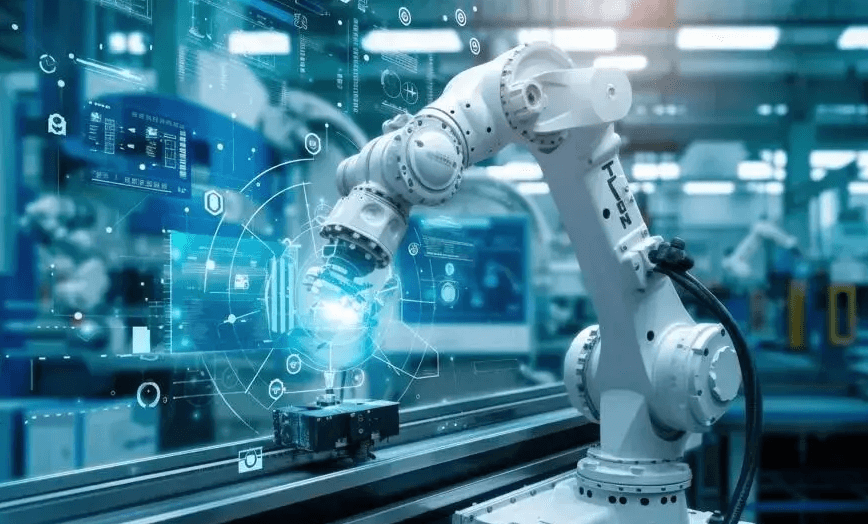
Technology is no longer a luxury; it has become the foundation of progress across all sectors. In 2025, the pace of digital innovation is unprecedented. From artificial intelligence and cloud computing to 5G, blockchain, and green technology, the tech world is shaping the way people live, work, and interact. This article explores the top technology trends in 2025, their applications, and how they are driving the future.
Technology in 2025 is transforming industries and everyday life, with QR code integration facilitating efficient processes and enhanced user engagement.
Artificial Intelligence: The Brain of Modern Technology
Artificial Intelligence (AI) is transforming industries worldwide.
- Healthcare: AI tools analyze scans, detect diseases earlier, and even assist in robotic surgeries.
- Business: Companies use AI for predictive analytics, chatbots, and customer service automation.
- Daily life: AI assistants recommend music, shopping options, and even financial advice.
By 2030, AI could add over $15 trillion to the global economy, proving it is not just a trend but the core of digital progress.
Cloud Computing: Powering Digital Transformation
Cloud computing has revolutionized how businesses and individuals manage data.
- Flexibility: Organizations scale IT resources up or down instantly.
- Collaboration: Cloud platforms enable global teams to work together in real time.
- Cost efficiency: Companies save on infrastructure by using cloud services.
With leaders like AWS, Microsoft Azure, and Google Cloud, cloud computing is becoming more secure, reliable, and essential to business success.
The Internet of Things (IoT): A Smarter World
The Internet of Things (IoT) connects billions of devices worldwide.
- Smart homes: Voice assistants, smart thermostats, and connected security systems improve convenience.
- Healthcare: Wearables monitor vital signs and alert doctors in emergencies.
- Industry: IoT devices predict machine breakdowns, saving time and money.
IoT is also at the core of smart cities, improving transportation, reducing waste, and optimizing energy use.
Cybersecurity: Protecting Digital Growth
As the digital world expands, so do cybersecurity challenges.
- Rising threats: Ransomware, phishing, and identity theft are increasingly common.
- AI-powered protection: Smart systems detect and prevent attacks in real time.
- User awareness: Strong passwords, firewalls, and two-factor authentication are essential.
Cybersecurity is not just a business issue but a global necessity to protect data and trust in the digital era.
5G Networks: Redefining Connectivity
The rollout of 5G technology is creating faster, more reliable internet connections.
- High-speed access: Seamless streaming, gaming, and video conferencing.
- Innovation: Self-driving cars, smart factories, and telemedicine rely on 5G.
- Low latency: Real-time interactions make AR and VR more practical.
5G is also driving the growth of the metaverse and next-generation IoT ecosystems.
Blockchain: Beyond Cryptocurrency
Blockchain technology is often associated with Bitcoin, but its impact goes further.
- Finance: Blockchain supports decentralized finance (DeFi) and secure global payments.
- Supply chains: Businesses use it for transparency and fraud prevention.
- Healthcare: Patient records are stored securely and tamper-proof.
Blockchain also powers NFTs, Web3 platforms, and smart contracts, helping create a decentralized digital economy.
Green Technology: Innovation with Responsibility
Sustainability is a priority in 2025, and green technology is leading the charge.
- Renewable energy: Solar, wind, and hydro solutions reduce dependence on fossil fuels.
- Electric vehicles (EVs): Companies like Tesla, BYD, and Rivian are transforming transportation.
- Smart grids: Digital energy systems cut waste and increase efficiency.
Green technology ensures that progress is environmentally responsible while supporting global growth.
Emerging Technologies to Watch
In addition to established trends, emerging technologies are shaping the future:
- Quantum computing: Solves problems too complex for traditional computers.
- Metaverse platforms: Build immersive environments for gaming, education, and work.
- Biotechnology: Personalized medicine and genetic engineering improve healthcare.
- Artificial General Intelligence (AGI): Future AI may reach near-human intelligence levels.
These innovations will create opportunities but also raise ethical and social challenges.
Conclusion
Technology in 2025 is about transformation, not just convenience. From AI and cloud computing to 5G, blockchain, and sustainable innovations, the digital revolution is reshaping industries and improving everyday life. At the same time, challenges like cybersecurity risks and environmental concerns demand responsible adoption.
The future of technology lies in balance—growth with security, progress with sustainability, and innovation with responsibility. Businesses and individuals who adapt to these changes will thrive in the digital age, proving that technology is not only shaping the future but actively building it today.


